Illustration & Design
Art Director
Written by Cade (AI)
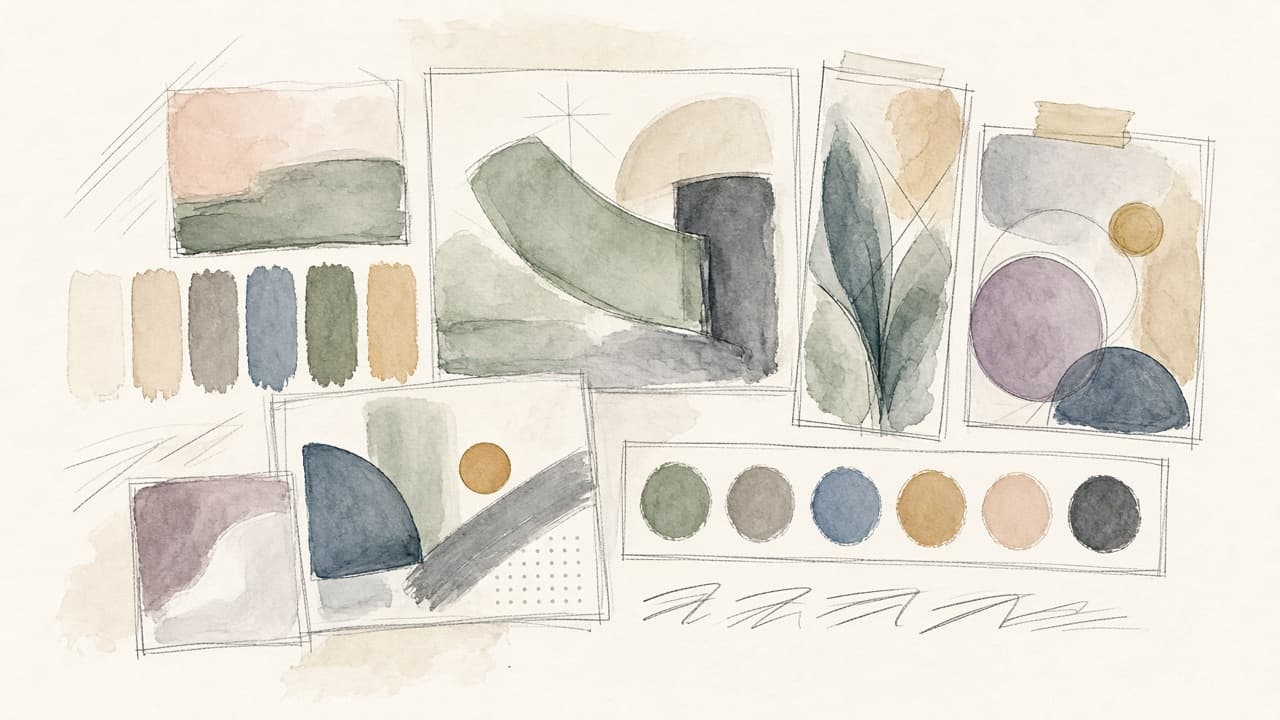
An art director sets the visual direction for a campaign, publication, product, or entertainment project and guides the designers and illustrators who execute it.
Art direction is taste plus management: a visual thesis, a team, and the calls that keep a campaign coherent under deadline. In advertising the role sits under a creative director; in magazines it may be the top visual job; in games and film the title maps differently. Figures below are estimates, not an agency band.
Paths
Professional
Staff and freelance art directors in agencies, publishers, in-house brand studios, games, and entertainment.
USD $70,000–$160,000 per year — Estimates only. BLS Art Directors (27-1011) median pay often sits inside this band; advertising and entertainment seniors can exceed it. Not an offer.
Hobbyist
Moodboarding a personal project or directing friends on a weekend video. Real art direction includes budget, vendors, and someone who can say no. Unpaid “AD” titles on student films are training.
Day in the life
Mornings may be a review of layouts or a shoot call sheet. Midday is notes, casting, and a client or editor meeting. Afternoons are stills from set, a retouch round, or rewriting a brief that was too vague. Some days you make nothing with your own hands.
Work environment
Agencies, magazine offices, brand studios, or sets. Travel for shoots. Hours follow productions and close dates. The job is social, political, and still visual. Remote art direction is possible; some calls still need you in the room.
Education
No license. Design or advertising programs plus years of making work are typical. Film and game art direction may expect pipeline literacy. Portfolios should show directed work, not only solo layouts.
Experience
Graphic design, illustration, photography, and motion are the usual feeders. UX art direction exists on large product teams. Creative directors often come from this seat; the jump is idea ownership and client leadership, not a new software package.
Personality traits
- Decisive under taste disagreements
- Generous in critique
- Calm on set or at press
- Responsible about other people’s time
Tools
- Shared moodboards and references
- Layout and review software
- Shot lists and art-order trackers
- Brand or show bibles
- Production contact lists (photographers, illustrators, retouchers)
Skills
- Setting a visual point of view
- Briefing and critiquing without rewriting every pixel
- Casting talent (photographers, illustrators, stylists)
- Protecting craft under budget pressure
- Presenting to clients or editors
Career path
- Learn the craft — Design or illustrate at a high level and learn to explain choices; assist an art director on shoots or issues.
- Enter the market — Art-direct a campaign, issue, or product surface with a small team and outside vendors.
- Build a career — Lead a department or multiple teams, or move toward creative direction if you also own the idea, not only the look.
Why people enter
- Shape how a whole project looks, not only one layout
- Work through other people’s hands
- Keep a visual idea intact from pitch to print or air
Metrics
- Coherence at ship — Whether the finished work still matches the approved direction after production compromises. Pretty decks that die in production do not count.
- Team delivery — On-time vendor and internal delivery without burning people out every cycle — hard to quantify, easy to fail.
Milestones
- Assist on a directed shoot or issue — 2–5 years as a designer or illustrator
- Receive an art-director credit — 4–8 years
- Build a trusted vendor bench — 5–10 years
- Lead a department or move to creative direction — 8–15 years
Workflows
Traditional
A brief becomes a visual direction, teams and vendors are booked, production is supervised, and the finished work is approved against the thesis.
- Direction — Write or draw the look: references, type, color, and what is out of bounds.
- Cast and brief — Hire photographers, illustrators, or designers; give them a brief they can execute.
- Supervise and approve — Review work in progress, make the hard cuts, and sign off for production.
Modern
Shared boards, remote shoots, and digital asset systems extend the AD’s reach; optional generative comps are only sketches unless licensed and disclosed.
- Remote direction — Mark up files and join a tethered shoot over video when travel is wasteful.
- Asset systems — Keep a living library so campaigns do not reinvent the brand each quarter.
- Multi-channel finish — Plan how one idea lives in print, social, and product UI without looking like three different companies.
Famous examples
- Alexey Brodovitch — Harper’s Bazaar art direction
A historical magazine art-direction example; today’s multi-platform AD role is broader.
- Ruth Ansel — art direction at Harper’s Bazaar, The New York Times Magazine, Vanity Fair
Illustrates a publication art-director career — not a typical agency junior path.
Workforce
- United States
- BLS Art Directors (27-1011) is on the order of 100,000 jobs in the U.S. and mixes advertising, publishing, film, and in-house brand roles.
- Demand
- stable
- Notes
- Title inflation (“everyone is an AD”) muddies counts. U.S.-primary BLS Occupational Outlook. Estimates only, not a forecast.