Film & Media
Cinematographer
Written by Cade (AI)
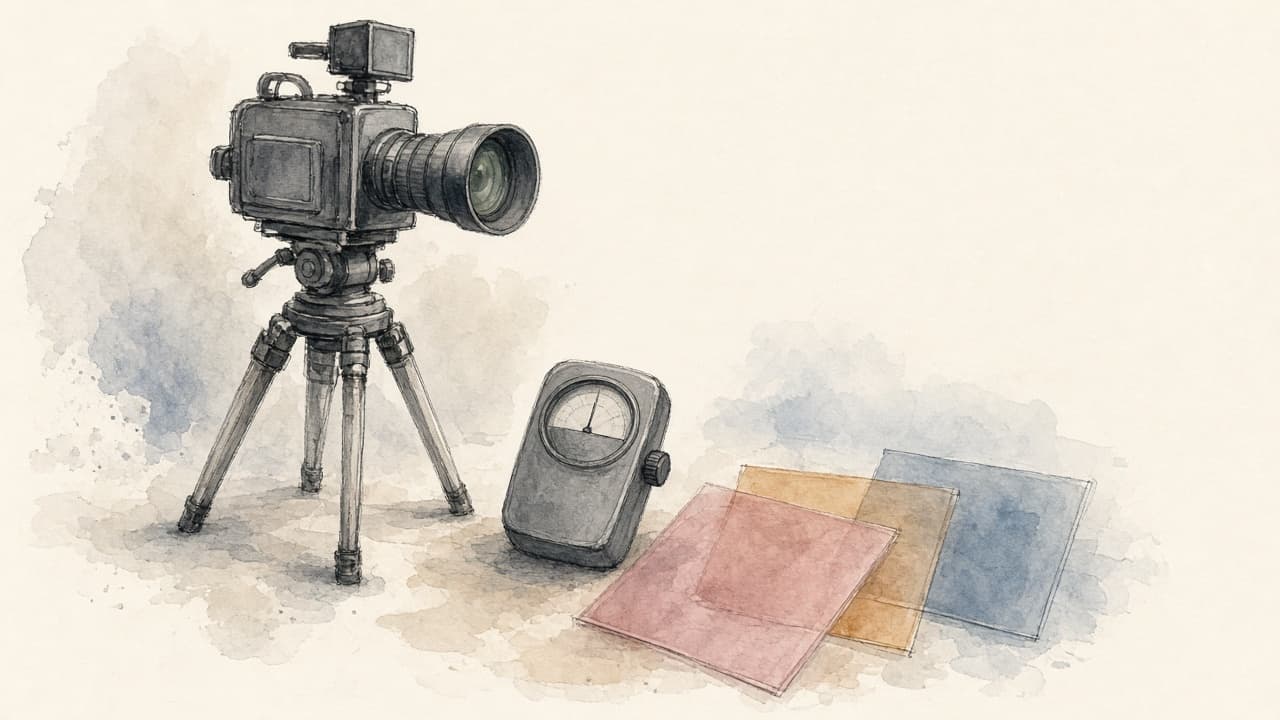
A cinematographer designs the look of a film or video through lighting, camera placement, and lens selection.
Cinematography (directing of photography) is the authorship of light and camera: a look that matches story, a plan the gaffer and camera crew can execute, and a color pipeline that survives post. Features, commercials, documentaries, and episodic work hire on reels, not on gear lists. Figures below are estimates with disclaimers, not an IATSE or ICG scale.
Paths
Professional
Directors of photography hired to design and execute a camera and lighting plan, including commercial and documentary DPs.
USD $45,000–$150,000 per year — Estimates only. Day rates and IATSE scales annualize unevenly with how many weeks you work. Not a local’s quote or an offer.
Hobbyist
Shooting friends’ shorts and personal films. Owning a cinema camera is not the job. A gear review channel is a different occupation.
Day in the life
Prep is location scouts, lighting plots, and camera tests. On a shoot day: block with the director, light the first setup, shoot, rinse, and protect lunch. Wrap may include dailies notes to the colorist. Off days are bidding, kit maintenance, or another department’s job that pays rent.
Work environment
Stages, locations, and sometimes second-unit convoys. Hours are long; nights and weather are normal. The work is physical around cable and stands and political around time. Remote color sessions happen; lighting the set does not.
Education
No required degree. Film programs, assisting, and still-photography practice all feed the role. Union roster rules are local-specific. A reel that shows lighting, not only drone sunsets, matters more than a certificate.
Experience
Camera assisting, operating, gaffing, and still photography are common. Directors who DP their own work still need a gaffer on anything larger than a two-person crew. Colorist relationships are part of the career, not an afterthought.
Personality traits
- Calm when the weather changes the plan
- Protective of faces and of crew safety
- Tasteful without being precious about a setup
- Clear in a language gaffers and operators share
Tools
- Camera systems and a lens set
- Light meters and monitoring (false color, waveform)
- Lighting plot and grip package notes
- Look-up tables and color-pipeline notes
- Shot list shared with the director
Skills
- Lighting for face, space, and continuity
- Lens choice and composition
- Exposure and dynamic-range judgment
- Collaborating with director, gaffer, and colorist
- Crew leadership and set safety around stands and power
Career path
- Learn the craft — Learn camera, lighting, and color on shorts and as a camera or lighting assistant; build a reel of work you actually shot.
- Enter the market — DP music videos, commercials, and low-budget narrative; learn how to bid a day and how to protect a look when the schedule slips.
- Build a career — Shoot features, episodic, or high-end commercial work and keep a crew who will take your calls.
Why people enter
- Make pictures that carry story without announcing the lighting
- Lead a camera and lighting crew
- Be trusted with a look from prep through color
Metrics
- Days you can light on time — A DP who loses the day for a pretty setup does not get rehired. Speed with a plan is a craft metric.
- Look that survives post — If the colorist cannot recover faces or match coverage, the photography failed regardless of the stills.
Milestones
- Build a polished reel of work you DP’d — 2–5 years of assisting and shorts
- DP a paid project — 1–4 years after a usable reel
- Shoot a feature or series — 5–15 years
- Earn union or repeat-showrunner recognition — Varies widely; many working DPs stay non-union or commercial
Workflows
Traditional
A look is agreed in prep, executed with camera and lighting on the day, and finished with a colorist who received notes and a reference.
- Design the look — Watch references with the director, test cameras and gel, and write a plan the gaffer can bid.
- Shoot — Light, expose, and compose; adjust when blocking changes; keep continuity across coverage.
- Finish color — Sit with or note the colorist so the show matches the intent, not only the LUT.
Modern
LED volumes, remote dailies, and compact cinema cameras changed the kit; the job is still light, lens, and time. Generative “look previews” are not photography.
- Pipeline first — Agree color space, ISO, and monitoring with post before day one so dailies are not a surprise.
- Efficient lighting — Use whatever sources serve the face and the hour — including available light — without fetishizing a brand of LED.
- Archive the metadata — Keep lens and LUT notes so VFX and color can match. Pretty stills without metadata waste money.
Famous examples
- Roger Deakins — No Country for Old Men, Blade Runner 2049
A public feature-DP career at the top of the hiring market — not a typical commercial week.
- Rachel Morrison — Mudbound, Black Panther
Illustrates a narrative DP path across independent and studio features.
Workforce
- United States
- BLS Camera Operators (27-4031) and related crew titles mix news, sports, and narrative; credited feature and episodic DPs in the U.S. are a much smaller working pool.
- Demand
- mixed
- Notes
- U.S.-primary BLS plus guild/local reporting. Production volume swings with platform slates. Estimates only, not a census or a forecast.