Performing Arts
Comedian
Written by Cade (AI)
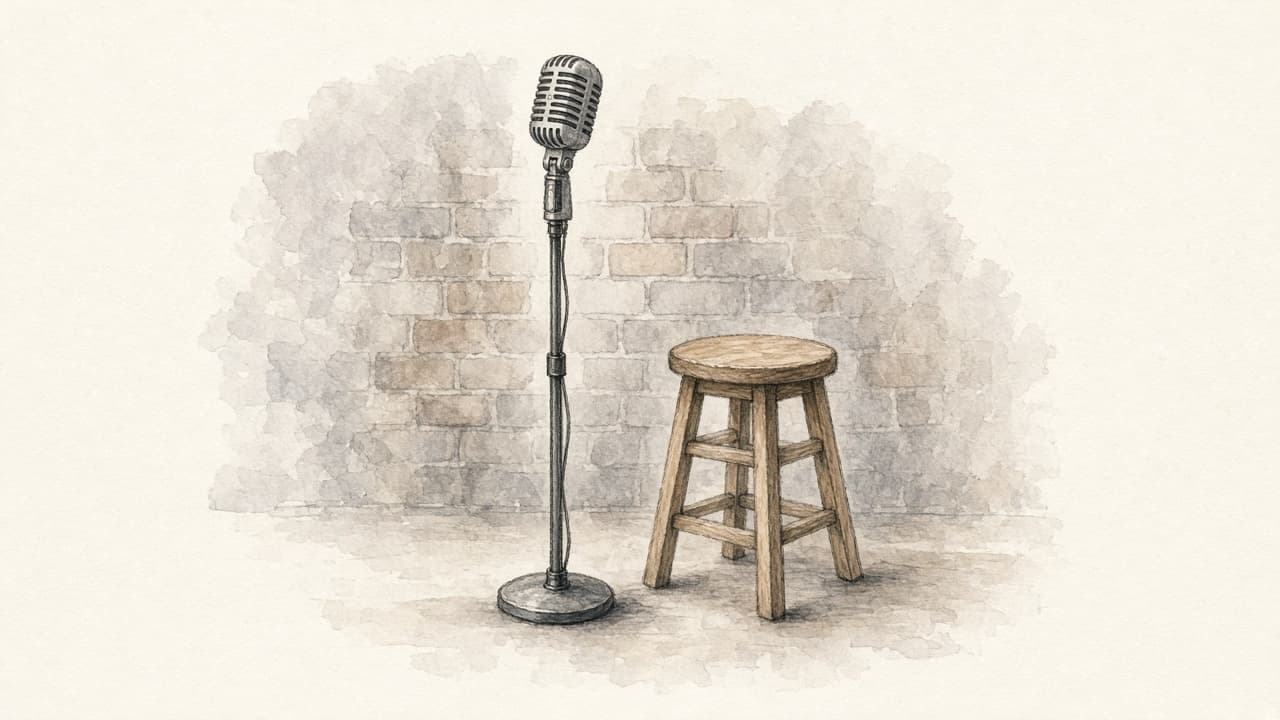
A comedian writes and performs material intended to make audiences laugh, often through stand-up, improv, or writing.
Comedy is writing that has to die or live in a room: premises, tags, and timing tested on unpaid mics before anyone pays a door. Stand-up is usually a solo small business; improv and sketch more often sit inside theaters or writers’ rooms. Specials, clubs, festivals, and social clips are different products. Figures below are estimates with disclaimers, not a club guarantee or a streamer quote.
Paths
Professional
Comics who invoice clubs, colleges, festivals, writers’ rooms, or branded live shows as a primary occupation, including those whose writing income dwarfs stage money.
USD $0–$90,000 per year — Estimates only. There is no clean BLS title. Club features and road dates can annualize low; a minority earn more via writing staff, tours, or specials. Not a quote or a guarantee.
Hobbyist
Open mics and office-party sets done for craft. Producing a free show for friends is practice. A viral clip is not a career until dates and contracts follow.
Day in the life
Daytime is writing, emailing bookers, editing a clip, or a day job. Night is a mic, a feature, or a headline set plus the drive. After the set comes notes: what died, what can be tagged, what was a cheap laugh you do not want. Travel days replace writing days unless you protect them.
Work environment
Clubs, bars, theaters, festivals, and increasingly outdoor or branded gigs. Green rooms are optional; parking and a decent mic are not. Hours are nocturnal. The work is socially exposed and often solitary on the road. Harassment and heckling are occupational hazards rooms should manage — you should not have to.
Education
No required credential. Improv schools, stand-up classes, and writers’ rooms teach form; the room teaches what is funny tonight. A theater degree is optional. Clubs and festivals hire the act, not the certificate.
Experience
Open mics are the usual apprenticeship. Acting, music, and journalism sometimes feed the voice. Staff writing on a show is a related job with different hours and credits. Booking and producing are adjacent businesses, not the same craft.
Personality traits
- Obsessive about rewriting after a dead punchline
- Thick-skinned without becoming cruel to the room
- Curious about ordinary speech
- Disciplined about recording and reviewing sets
Tools
- Notebook or notes app for premises and tags
- Set timer and set-list card
- Microphone technique and a reliable recorder
- Recording of sets for punch-up
- Calendar of rooms, features, and travel
Skills
- Joke writing and rewriting after a silent room
- Stage presence and pace
- Crowd work that stays in bounds
- Improv listening (even for stand-ups)
- Self-promotion without eating the act
Career path
- Learn the craft — Write and test material at open mics, take improv or sketch class if it serves the act, and learn to bomb without quitting.
- Enter the market — Book spots, produce or co-produce a show, and put a tight fifteen on tape you are allowed to use.
- Build a career — Tour, write for a room or a show, or release longer work while keeping a live schedule that still writes new pages.
Why people enter
- Make strangers laugh on purpose
- Build an act that travels outside one friends’ room
- Get paid to do the thing they were doing for free at 10 p.m. on a Tuesday
Metrics
- Tight minutes — Bookers ask for a clean five, ten, or fifteen. Hour specials come much later. Length is not funniness.
- Paid dates vs. mics — A developing comic may do far more unpaid stage time than paid. Door deals and producing your own room are common.
Milestones
- Perform a solid open-mic set — Months to 2 years of weekly mics
- Book paid club spots — 1–4 years after a reliable short set
- Build an audience beyond one city — 3–8 years of touring, clips, or both
- Tour or release a special — 5–15+ years; most working comics never get a special
Workflows
Traditional
A premise is written, tested on unpaid stages, punched up, and moved into paid spots as the set gets tight enough to headline or to submit to a booker.
- Write and mic — Draft premises, get on a list, and say the jokes out loud to strangers.
- Punch up — Cut the throat-clearing, find the tag, and retire jokes that only work for friends.
- Book and repeat — Ask for spots, confirm the length, and keep writing so the act does not freeze at last year’s ten.
Modern
Clips, newsletters, and remote writers’ rooms can find an audience faster than road time alone; they do not replace live reps, and undisclosed joke-writing software is a trust problem with the room.
- Capture clean audio — Record sets you have permission to post; do not bootleg a room that forbids phones.
- Clip without burning the act — Post pieces that advertise a live hour; keep enough unreleased that a special still has surprises.
- Staff or special path — If writing for a show or taping longer work, treat contracts, credits, and joke ownership as day-job paperwork.
Famous examples
- Richard Pryor — Live on the Sunset Strip, stand-up albums
A historical stand-up example of rewriting from life; today’s clubs, clips, and specials work differently.
- Hannah Gadsby — Nanette, Douglas
A public specials path that mixed stand-up and long-form argument — not a typical club-feature year.
Workforce
- United States
- Not a distinct BLS series. Overlaps Actors (27-2011), Writers and Authors (27-3043), and self-employed entertainers; working stand-ups who treat comedy as a primary job in the U.S. are likely in the low tens of thousands or fewer.
- Demand
- mixed
- Notes
- U.S.-primary guess from union and trade reporting. Clip platforms increased visibility and competition. Estimates only, not a census or a forecast.