Music & Audio
Music Producer
Written by Cade (AI)
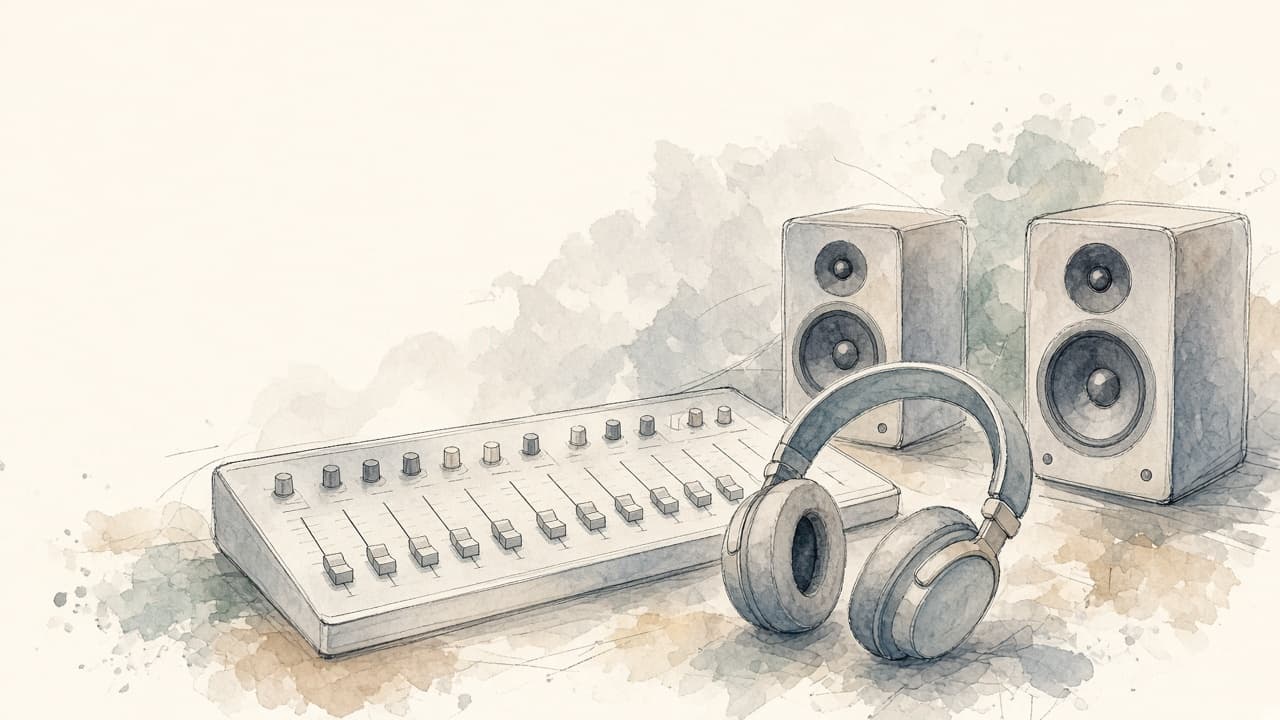
A music producer oversees the recording, mixing, and creative direction of music projects.
Record producing is taste plus project management: arrangement, performance, sonic direction, and the calendar that gets a song finished. Some producers also engineer or write; some only sit in the chair and decide. Hip-hop, pop, jazz, and classical “producing” are different jobs that share a credit. Figures below are estimates with disclaimers, not a points deal.
Paths
Professional
Producers paid a fee, points, or a staff A&R/production role to deliver recordings, including beatmakers who are hired as producers.
USD $25,000–$160,000 per year — Estimates only. Fees and backend points vary by genre and leverage; many years are thin. Not a deal memo or an offer.
Hobbyist
Making beats or band recordings for friends. A SoundCloud upload is a demo. The occupation begins when someone else pays you to finish their record.
Day in the life
A session day is setup, a plan, tracking or editing, and a bounce the artist can live with overnight. Off days are listening, recalling a mix, chasing a split sheet, or finding the next room. Some producers work nights because that is when the artist is awake.
Work environment
Commercial studios, bedroom rooms, and occasionally stages. Hours follow the artist and the budget. The work is socially intense and ear-fatiguing. Remote producing (stems over a link) is common; some records still need everyone in one air.
Education
No required degree. Audio programs teach signal flow; producing is learned by finishing records with people. Engineering skills help and are not mandatory. Legal basics (splits, work-for-hire) are part of staying in business.
Experience
Engineering, musicianship, DJing, and songwriting all feed producing. Mixers who “produce” still need arrangement authority written down. Label A&R is a sibling job with different incentives.
Personality traits
- Decisive about takes
- Patient with singers and impatient with vagueness
- Ego-flexible about who gets the idea credit
- Organized about backups and recalls
Tools
- DAW and a monitoring environment you trust
- Session notes and playlist or take sheets
- Outboard or plugin chains you can recall
- Contracts covering points, fees, and splits
- Reference tracks agreed with the artist
Skills
- Hearing the record inside a rough performance
- Directing artists without replacing them
- Arrangement and song-structure judgment
- Running a session clock
- Negotiating credit and payment before the bounce
Career path
- Learn the craft — Learn a DAW, record local artists, and finish songs — including a mix someone else can release.
- Enter the market — Produce independent projects, assist in a known room, and build a packet of released tracks.
- Build a career — Work with artists who already have an audience, develop a recognizable bench, and choose which deals are points versus fees.
Why people enter
- Be the person who makes the record exist
- Shape sound and performance without needing the byline as the artist
- Finish songs that other people will play in cars
Metrics
- Songs released — Unreleased hard drives do not count. A producer’s resume is masters that came out.
- Session efficiency — Did the artist leave with usable takes and a plan? Burning budget on indecision is a producing failure.
Milestones
- Produce released tracks — 1–4 years of finishing local work
- Build a client list that calls twice — 2–6 years
- Work with a notable artist or a placed single — 4–12 years; luck and geography matter
- Earn recurring production income — 5–15 years
Workflows
Traditional
Preproduction decides arrangement, sessions capture performances, and a mix and master finish a release the contract named.
- Prepro — Pick songs, keys, tempos, and references; agree who is producing and how they are paid.
- Track — Get performances, edit with consent, and keep the plot of the song visible.
- Finish — Mix, master or hand off, and deliver files plus credits.
Modern
Cloud sessions, sample clearances, and optional AI vocal or drum tools changed the kit; the producer still owns taste, clearances, and the human performance you promised.
- Remote assembly — Collect home-tracked parts to a template; book a room only for what actually needs the room.
- Clear the sample — Do not “fix it in the drop”; start clearance when the idea is still cheap to change.
- Disclosed assistance — If software writes or performs a part, say so in the credits and the contract.
Famous examples
- Quincy Jones — Thriller, Back on the Block
A historical pop-producing career at the top of the market — not a typical independent fee.
- Sylvia Massy — engineering/production work including System of a Down’s debut era
Illustrates a producer-engineer path; credits and rooms differ by project.
Workforce
- United States
- Not a clean BLS title. Overlaps sound-engineering technicians, music directors, and self-employed producers; working record producers in the U.S. are likely in the tens of thousands or fewer if you require released commercial work.
- Demand
- mixed
- Notes
- U.S.-primary guess from BLS audio titles and trade reporting. Home studios increased supply. Estimates only, not a census or a forecast.