Performing Arts
Dancer
Written by Cade (AI)
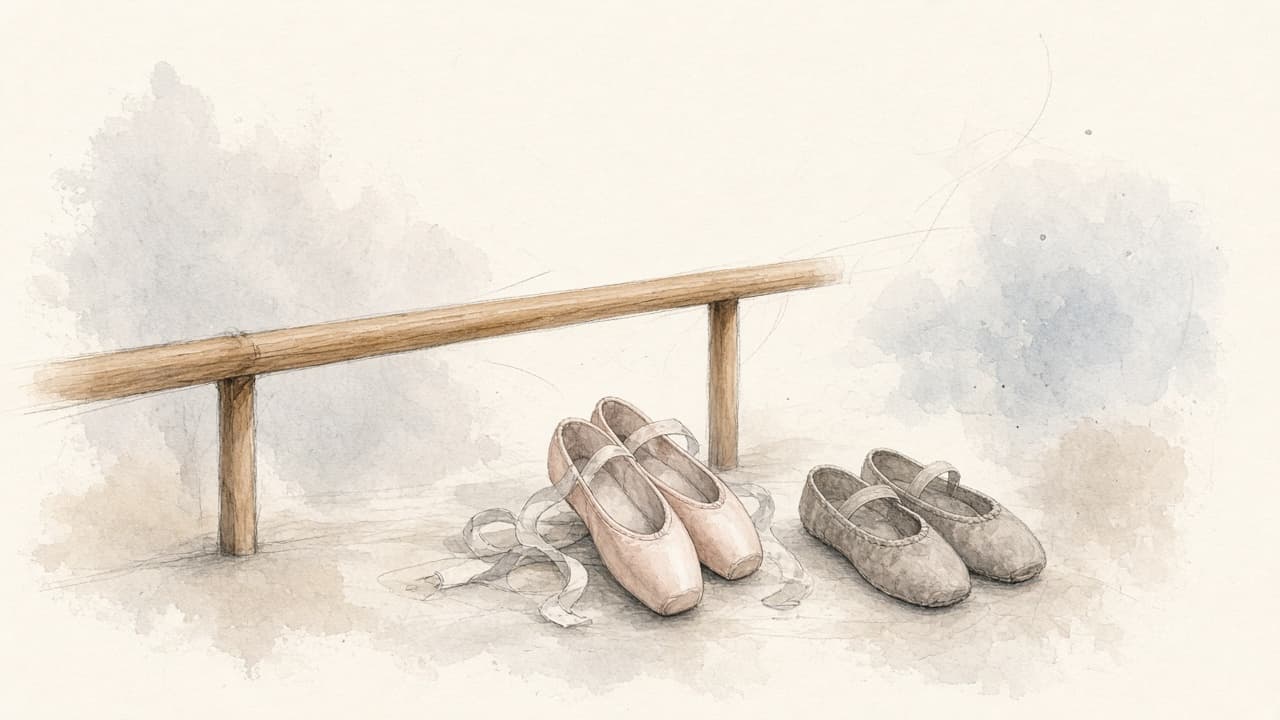
A dancer uses body movement to perform in styles such as ballet, contemporary, hip-hop, or ballroom.
Dance is athletic repertory work: class to stay employable, rehearsal to learn someone else’s steps or to make new ones, and performance that ends when the body or the contract does. Commercial dance, concert companies, cruise and theme-park work, and social-dance teaching are different markets with different seasons. Careers are short relative to other crafts. Figures below are estimates with disclaimers, not a company weekly scale.
Paths
Professional
Dancers paid to rehearse and perform — company members, commercial and music-video dancers, cruise or park contracts — plus those whose primary income is teaching at a professional level.
USD $20,000–$80,000 per year — Estimates only. BLS Dancers (27-2031) and choreographers (27-2032) mix weekly company scales, gig work, and teaching. Many seasons pay less than a living wage in expensive cities. Not a quote or guarantee.
Hobbyist
Studio class, amateur companies, and social dance. Recital fees and shoes are expenses. Teaching a community class can be hobby or micro-income; it is not a company contract.
Day in the life
Morning is often class. Midday is rehearsal: marking, full-out, notes, and repetition. Evening may be a show or a second rehearsal. On a commercial day the call can be wardrobe, playback, and many takes of eight counts. Recovery — food, sleep, treatment — is scheduled work, not leftover time.
Work environment
Studios, theaters, soundstages, and outdoor or tour venues. Floors, temperature, and load-in affect injury risk. Hours cluster around tech and opening. Travel is common. The culture can be hierarchical; good rooms still run on time and on courtesy.
Education
No license. Pre-professional academies, university dance degrees, and street or vernacular lineages all produce working dancers. Companies hire the body and the brain in the room, not the diploma. Some commercial jobs want a specific look or skill more than a conservatory transcript.
Experience
Serious training usually starts young for ballet; other styles can start later. Competition circuits are optional and not a substitute for professional rehearsal manners. Acting and music skills help in commercial rooms. Choreography and staging are related jobs with different hiring.
Personality traits
- Disciplined about daily maintenance
- Humble in someone else’s choreography
- Tough about rejection without becoming brittle
- Honest about pain versus injury
Tools
- Daily class and conditioning equipment
- Rehearsal wear and specialty shoes
- Floor and sound suitable for the style
- Audition reel and composite
- Physical-therapy and recovery kit
Skills
- Technique in at least one primary style
- Musicality and counting
- Picking up choreography quickly
- Partnering and spatial awareness
- Injury prevention and honest fatigue management
Career path
- Learn the craft — Study a primary technique, cross-train, and perform in student showcases or community works while learning how auditions actually run.
- Enter the market — Audition for companies, commercial jobs, or contract venues; teach to fund class if needed.
- Build a career — Tour or join a roster, book repeat commercial work, and plan a second practice (choreography, teaching, staging) before the body forces the issue.
Why people enter
- Perform movement at a professional standard
- Belong to a company or a commercial circuit
- Stay employed long enough to develop artistry, not only tricks
Metrics
- Contract weeks — A year may be measured in paid rehearsal and performance weeks, not in a salary. Layoff weeks are normal.
- Class as maintenance — Working dancers still take class. Skipping it to “save the body” often costs employability faster than smart training does.
Milestones
- Perform in a professional production — 5–12 years from serious childhood or teen training
- Tour or join a company — 1–5 years of professional auditioning after training
- Book commercial or contract work — 1–4 years in a major market
- Teach regular classes or stage repertory — Often parallel to performing; a later primary at 8–20 years
Workflows
Traditional
A notice or audition leads to a contract, a rehearsal period that builds stamina and spacing, and a run or shoot that is called the same way each time.
- Audition or company class — Learn a combination, show technique and presence, and take cuts without collapsing the work.
- Rehearse — Learn counts, spacing, and partnering; build cardiovascular capacity for the full number.
- Perform and maintain — Repeat the show, take notes, and keep class so the next job is still possible.
Modern
Self-tape dance calls, shared rehearsal video, and remote choreography notes are common; disclosed motion tools can help learning, but the job is still a live body in a room or on a mark.
- Tape to the grid — Film full-body, on-music, in the requested style; do not crop the feet.
- Learn from capture — Use rehearsal video and optional slow-motion to clean counts; still run it full-out with people.
- Second-act planning — Document repertory you are allowed to teach; build a teaching or staging income before an injury decides for you.
Famous examples
- Misty Copeland — American Ballet Theatre principal repertory
A public concert-dance career at company scale — not a typical regional or commercial week.
- Savion Glover — Bring in ’da Noise, Bring in ’da Funk, concert tap works
Illustrates a performer-choreographer path in a vernacular technique; markets differ by style.
Workforce
- United States
- BLS Dancers (27-2031) is a small wage-and-salary count (on the order of 10,000–15,000) and undercounts gig, cruise, theme-park, and teaching-heavy careers.
- Demand
- mixed
- Notes
- U.S.-primary BLS and union/company reporting. Concert companies are few; commercial and teaching markets absorb more people. Estimates only, not a census or a job forecast.