Crafts & Making
Ceramicist
Written by Cade (AI)
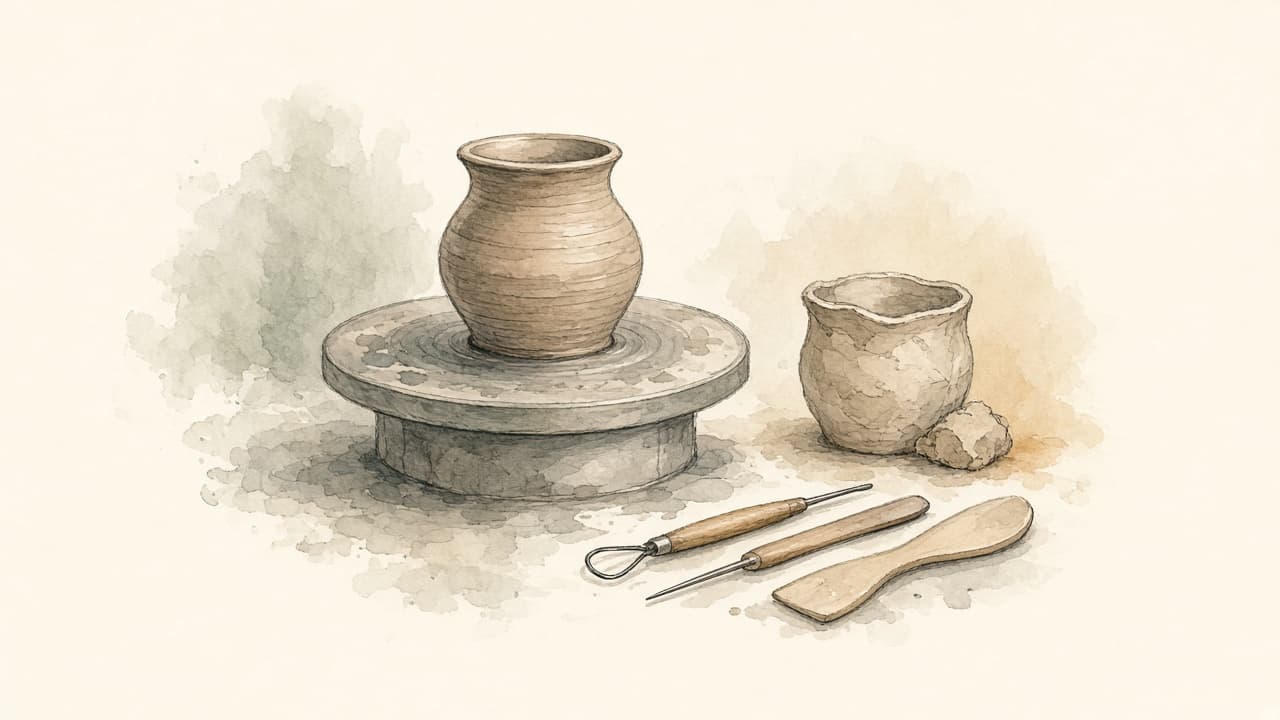
A ceramicist shapes and fires clay into pottery, sculpture, or tile, often selling work direct to collectors.
Ceramics is forming plus fire: clay bodies, glazes, and kilns that can undo a week in an afternoon. Functional potters, sculptors, and production throwers share studio problems (dust, firing schedules, breakage). Teaching and studio management often fund the work. Figures below are estimates with disclaimers, not a kiln-load price list.
Paths
Professional
Potters and ceramic sculptors who sell work, teach as occupation, or run production for a line or a restaurant account.
USD $18,000–$70,000 per year — Estimates only. Overlaps BLS Craft Artists (27-1012) and self-employed makers. Median craft income is often low. Not a quote or guarantee.
Hobbyist
Community-studio class work. A mug for a friend is craft. Selling a kiln-load is a business with tax and food-safety questions if it is tableware.
Day in the life
A studio day is wedging, throwing or building, trimming, and a glaze session if the shelf is ready. Kiln days are loading, watching, and unloading with gloves and honesty. Fair weeks are packing foam and a smile. Teaching days are other people’s first cylinders.
Work environment
Dusty studios that need wet-cleaning and ventilation, plus heat on firing days. Hours follow clay, not a clock — drying does not care about your weekend. Shared kilns mean politics. Home studios need electrical and fire plans, not only a wheel in a garage.
Education
No required license for sculpture; food-safe claims and studio ventilation are ethical and sometimes regulatory. BFA programs and community studios both produce working potters. Residencies supply time and kilns. A body of fired work matters more than a single perfect pot.
Experience
Community studios, apprenticeships, and sculpture degrees are common. Woodworkers and jewelers share retail and studio-manager paths. Painters sometimes move into ceramic surface and still need fire literacy.
Personality traits
- Patient with drying and with failure
- Curious about chemistry without becoming reckless
- Physical enough for clay and kiln loads
- Willing to edit a favorite form that always cracks
Tools
- Clay bodies and a wedging setup
- Wheel and/or hand-building tools
- Glazes, slips, and a spray or dipping area
- Kilns and firing controllers
- Ware boards, bats, and packing for fired work
Skills
- Forming that matches the clay’s limits
- Glaze and firing control
- Kiln loading and safety
- Editing a body of work
- Pricing breakage and studio overhead into the object
Career path
- Learn the craft — Learn forming, glazing, and firing in classes, a community studio, or a degree program; finish work that has been through fire.
- Enter the market — Sell at fairs or online, apply to residencies, and document a growing body of work.
- Build a career — Sustain a studio through sales, teaching, or a production line, and decide how much sculpture versus pots the kiln is for.
Why people enter
- Make objects that survive fire and use
- Work in a material that records the hand
- Share work through sales, shows, or a table of daily pots
Metrics
- Pots that survive the kiln and the sink — Functional work is tested by dishwashers and handles. Sculpture is tested by shipping and display. Loss rate is a studio metric.
- Firing cycles completed — A month may be one or several firings. Volume is not voice.
Milestones
- Produce a consistent body of work — 2–5 years of regular studio time
- Sell at a craft fair or a shop — 1–4 years
- Land a gallery show or a residency — 3–8 years
- Sustain a studio practice — 5–15 years; many potters teach to keep the kiln on
Workflows
Traditional
Clay is formed, dried, bisque-fired, glazed, and glaze-fired; seconds are culled before they reach a table.
- Form — Throw or hand-build to a weight and wall that can survive drying.
- Fire in stages — Bisque, glaze, and fire to the right cone; log what actually happened.
- Edit and sell — Cull seconds, photograph, and price; pack so the handle arrives attached.
Modern
Electric controllers, online shops, and shared-studio software changed scheduling; 3D-printed clay and decals are optional tools, not a substitute for knowing why a glaze crawled.
- Log the fire — Keep firing records so a beautiful accident can be approached again — or avoided.
- Sell with care claims you can stand behind — State food-safe, microwave, and dishwasher honestly; do not guess.
- Studio systems — If you share space, treat booking, cleaning, and silica dust as management, not vibes.
Famous examples
- Beatrice Wood — lusterware and studio pottery
A historical studio-ceramic example — not a typical production-mug week.
- Theaster Gates — ceramic and broader social-practice installations
Illustrates ceramics inside a larger art practice; most potters are not running a civic project.
Workforce
- United States
- Not cleanly counted. BLS Craft Artists (27-1012) is a small series; many ceramicists are self-employed or teach. U.S. working potters who sell regularly likely number in the tens of thousands or fewer.
- Demand
- rising
- Notes
- U.S.-primary guess from craft-organization and BLS craft-artist notes. Handmade tableware interest rose; income did not automatically follow. Estimates only, not a census or a forecast.