Crafts & Making
Studio Manager
Written by Cade (AI)
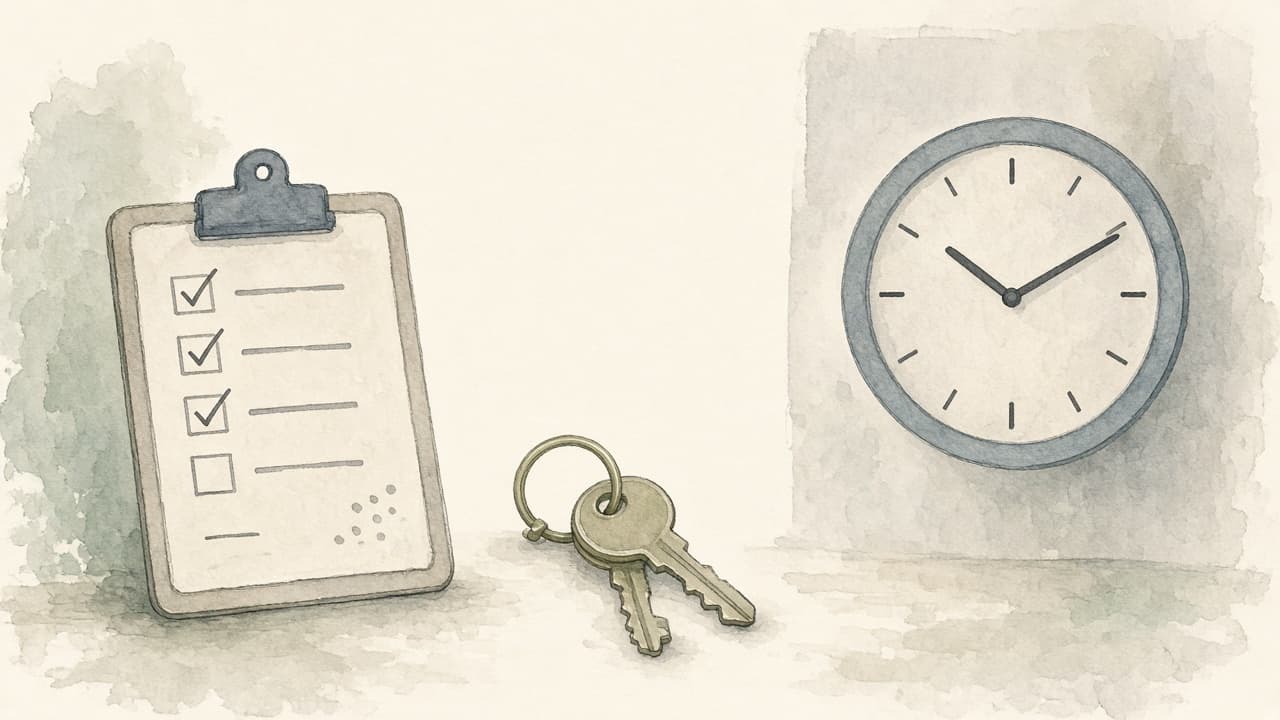
A studio manager keeps a shared or production studio running: safety, scheduling, inventory, hiring, and the unglamorous systems that let makers make.
Studio management is operations for a making space: who is trained on the saw or the kiln, what is in stock, whether the rent is paid, and whether a residency or a production line can actually run tomorrow. Art schools, makerspaces, production shops, and artist-run spaces all hire a version of this job. Figures below are estimates with disclaimers, not a nonprofit salary band.
Paths
Professional
Paid studio, shop, or facilities managers in schools, makerspaces, production companies, and artist studios.
USD $38,000–$85,000 per year — Estimates only. School and nonprofit bands often sit in this range; production-shop managers in high-cost cities can sit higher. Not an offer.
Hobbyist
The member who unofficially restocks the communal glaze. Useful, not a job title, until someone pays you and writes a role.
Day in the life
Morning is opening, a filter change, and a training. Midday is a vendor, a booking conflict, and a board or owner email about money. Afternoon is a repair, a member crisis, and closing checks. Emergency days are injuries, floods, or a kiln that will not cool. The inbox is not the shop.
Work environment
The studio itself — dusty, loud, or wet depending on the medium — plus a small office corner. Hours may include evenings when members work. The job is physical and social. Remote work is limited to admin; the shop has to be walked.
Education
No single license. Shop-specific certifications (forklift, kiln, first aid) matter. Art or facilities backgrounds both appear. Insurance and landlords care about your training records more than your MFA.
Experience
Makers, techs, and production coordinators are the usual feeders. Ceramicists, woodworkers, and jewelers often grow into the role in their own shops. Theater and film shops have a close cousin in production management.
Personality traits
- Allergic to “we have always done it this way” when it is unsafe
- Even-tempered when artists are late and machines are broken
- Systems-minded without being a cop about taste
- Willing to do unglamorous cleaning
Tools
- Shop safety and training checklists
- Inventory and vendor lists
- Booking calendars
- Basic bookkeeping and petty-cash logs
- Equipment maintenance and incident logs
Skills
- Teaching a tool without scaring or boring people
- Saying no when a process is unsafe
- Keeping a budget that matches reality
- Hiring and scheduling monitors
- Translating between artists and landlords, boards, or owners
Career path
- Learn the craft — Monitor or tech in a makerspace, school shop, or production studio; learn opening and closing for real.
- Enter the market — Own training, a budget line, and the calendar — including the fights about who left the sink.
- Build a career — Manage a multi-person studio, residency, or small production floor and keep it solvent and safe.
Why people enter
- Keep a shop usable for other people
- Work in making without their name on every object
- Turn chaos into a system that survives a vacation
Metrics
- Incidents and near misses — A quiet safety log is a success. A shop that “feels chill” and has no training records is a liability.
- Uptime and access — Kilns that fire when booked, saws that are not down for a month, hours that match the membership promise.
Milestones
- Run a safe open-shop shift — Months as a trained monitor
- Own an inventory and training system — 1–3 years
- Hire or train other monitors — 2–5 years
- Keep a studio solvent through a full year — 3–8 years
Workflows
Traditional
Access is trained, inventory is bought, the calendar is run, and incidents and maintenance are logged so the space stays usable.
- Train and authorize — Do not hand someone a tool they have not been checked out on. Write it down.
- Keep the shop on — Maintain machines, stock consumables, and schedule so two classes are not on one kiln.
- Close the loop — Report incidents, money, and downtime to whoever pays the rent.
Modern
Badge access, shared calendars, and sensor alerts help; they do not replace a human who can shut a process down. Optional software should not become a surveillance hobby.
- Digital access — Book tools and rooms in a system people will actually use; keep a paper fallback for outages.
- Safety culture — Post SDS, run drills, and treat silica, solvents, and blades as serious — because they are.
- Money and mission — Price memberships or job time so the shop survives without exploiting monitors.
Famous examples
- School and residency shop managers — Facilities that keep kilns, presses, and woodshops usable for generations of students
The role is rarely famous by name; failure is very visible when a shop is shut or someone is hurt.
Workforce
- United States
- Not a distinct BLS title. Overlaps facilities managers, industrial production managers, and self-employed shop owners. U.S. people whose primary job is managing a making studio likely number in the low tens of thousands or fewer.
- Demand
- stable
- Notes
- U.S.-primary guess from education, nonprofit, and makerspace reporting. Estimates only, not a census or a forecast.